18 - 19 April
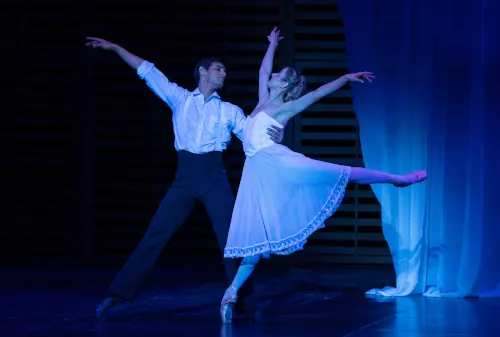
Thursday 26 March: Joburg Ballet’s 25th Anniversary Season, a celebration of legacy, transformation and excellence, opened its year of productions and events in February 2026 with the landmark production of Giselle
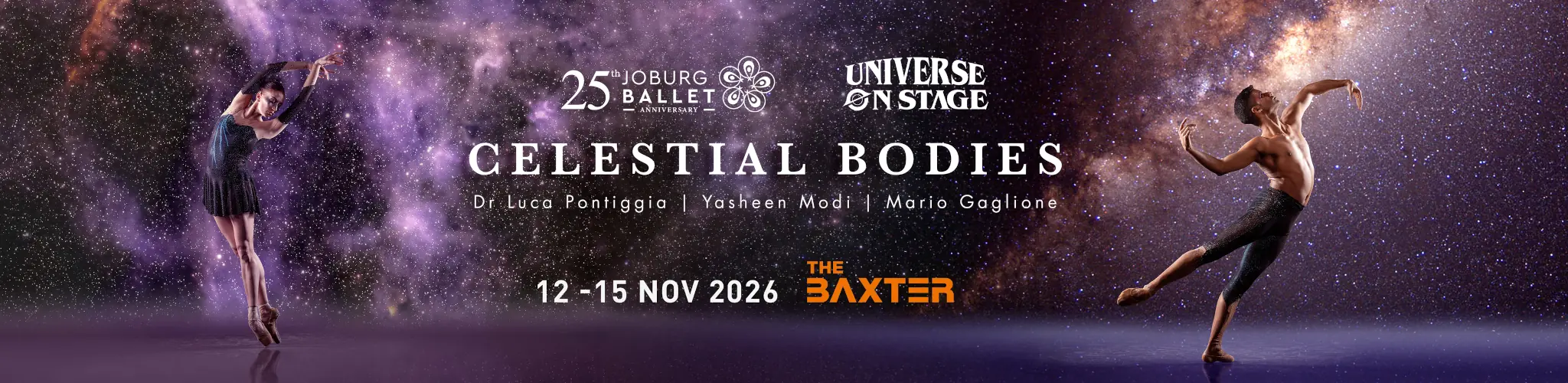
In April, Joburg Ballet in partnership with UJ Arts & Culture, invites you to the reprise of the critically acclaimed Celestial Bodies on Saturday 18 at 2pm and 7pm and on Sunday 19 April at 7pm at the William Keorapetsi Auditorium, UJ Arts & Culture.
“Hosting Celestial Bodies in partnership with Joburg Ballet reflects the University of Johannesburg’s ongoing commitment to presenting world-class artistic work while creating meaningful access to the performing arts for diverse audiences,” says Pieter Jacobs, Head of UJ Arts & Culture. “Productions of this calibre not only enrich Johannesburg’s cultural landscape but also play an important role in preserving and evolving the art of ballet within a contemporary South African context. By bringing artists, students, and audiences together through shared cultural experiences, through exposure, learning, and engagement with the arts, initiatives such as this strengthens cultural infrastructure and safeguards artistic heritage. Our partnership with Joburg Ballet further underscores the value of collaboration in advancing the creative sector.”
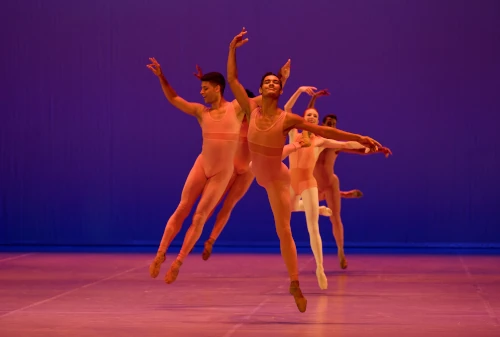
Celestial Bodies, choreographed by Mario Gaglione and presented in partnership with Universe on Stage had its world premiere as part of Joburg Ballet’s Spring Season at Joburg Theatre in October 2025.
This evocative and visually stunning exploration of cosmic themes, energy and movement that captivated audiences last year was born of a serendipitous meeting between Joburg Ballet’s Naledi award-winning choreographer and the visionary Universe on Stage duo, physicist Dr Luca Pontiggia and composer Yasheen Modi. “I remember walking up to Luca and Yasheen after watching the Universe on Stage’s production of Hidden Giants and saying that I longed to see their vision manifest through dance; that their world of music, science and art was already moving like choreography waiting to be embodied,” says Gaglione.